
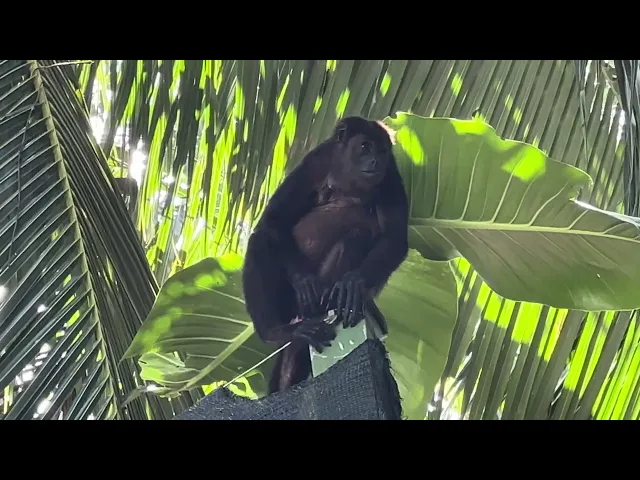
The First and Loudest Greeters
How the howler monkeys welcomed us to Puerto Viejo
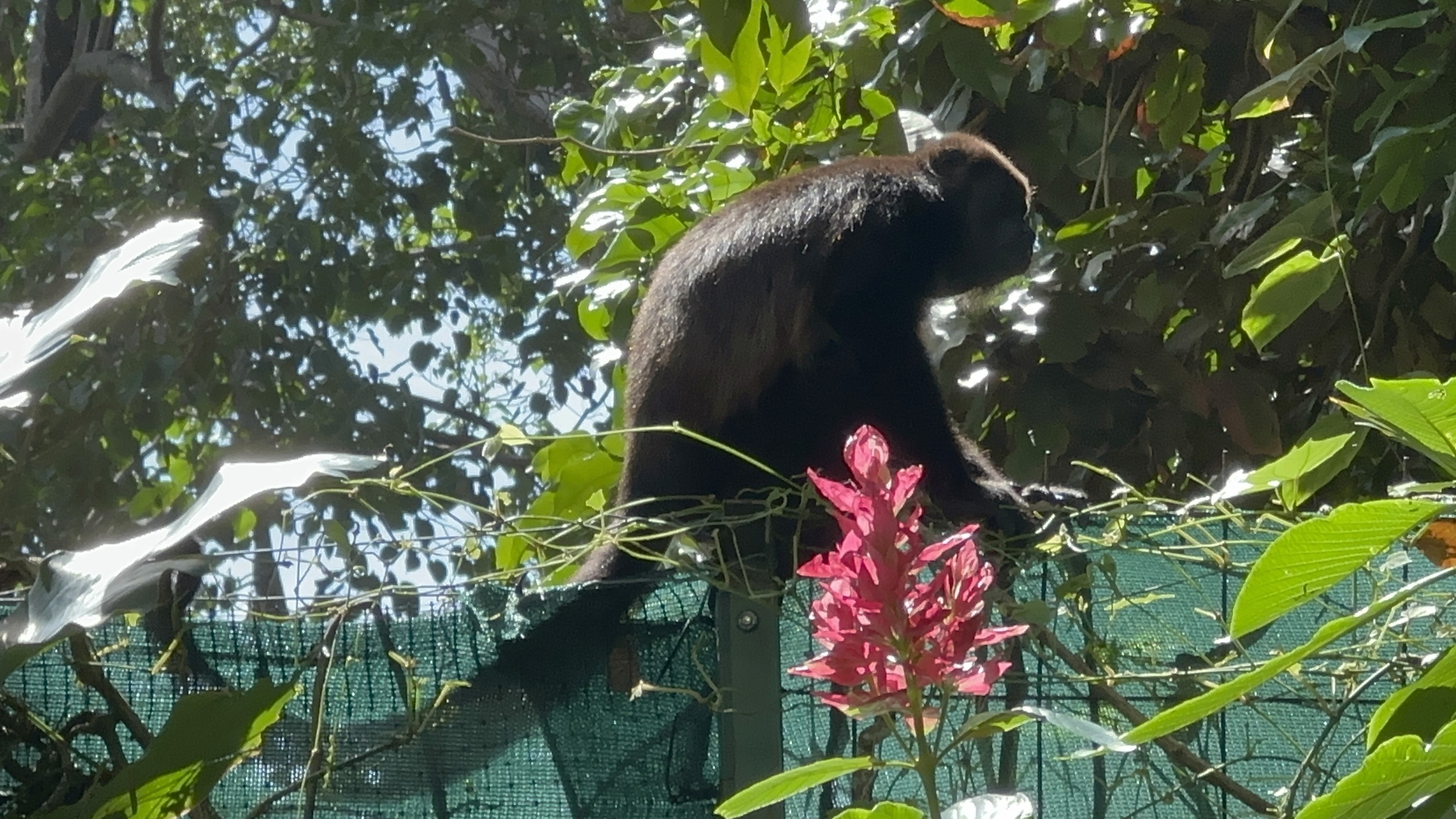
The First to Greet Us
How the howler monkeys welcomed us to Puerto Viejo
The first ones to greet us in Puerto Viejo were not people.
They were the howler monkeys.
And if you’ve never heard a howler monkey in the middle of the night, let me tell you: it’s not something you easily forget.
The sound that wakes the jungle
Our first night in Puerto Viejo was quiet at first. The kind of quiet that only exists near the ocean and the jungle—where the air feels thick and the darkness feels deeper than it does in the city.
Then, around two in the morning, we woke up.
At first it sounded like something out of a movie. A deep, echoing roar rolling through the trees. Not one sound, but many—layered together, vibrating through the darkness.
It was haunting.
Honestly, it was a little frightening.
If you’ve never heard them before, you might think something enormous is moving through the forest. The sound carries so far and so loudly that it can feel like it’s coming from everywhere at once.
And then we heard something hitting the roof.
Thunk.
Thunk.
Thunk.
We looked at each other in the dark wondering: What on earth is that?
Later we realized what was happening.
The monkeys were moving through the trees above the house, foraging for food, and bits of fruit and branches were dropping onto the tin roof.
But at two in the morning, half asleep in a new place, it felt mysterious—almost otherworldly.
The jungle was letting us know that we had arrived.
The loudest mammals in the forest
Howler monkeys are famous for their voices. In fact, they are considered one of the loudest land mammals on earth.
Their calls can travel up to three miles through the forest.
They’re able to produce those incredible sounds because of a specialized bone in their throat called a hyoid bone, which acts almost like a natural amplifier. When they call out together, their voices echo through the canopy like a chorus.
They aren’t roaring because they’re angry.
They’re communicating.
Often they’re marking territory, checking in with other troops, or signaling where they are as they move through the forest canopy.
It’s part of the rhythm of the jungle.
But when you first hear it—especially in the middle of the night—it can feel like something ancient and wild has suddenly come alive around you.
The haunting nights
That first night, the sound felt unsettling.
The second night, we expected it.
The third night, we listened more closely.
And by the fourth morning, something had changed.
A different kind of greeting
That morning, the howlers began their chorus around five or six o’clock.
By then we knew the sound.
And instead of feeling startled, it felt… almost welcoming.
Like the forest itself was waking up.
The calls moved through the trees above us, echoing across the morning air, deep and resonant.
In that moment, it didn’t feel frightening anymore.
It felt like being in community with the place.
Almost as if the monkeys were saying:
You’re here now.
We see you.
You’re okay.
Learning the language of a place
One of the things I’m learning about Puerto Viejo is that the place introduces itself slowly.
First through the sea.
Then through the fruit.
And sometimes through the creatures that share the land.
The howler monkeys were the first to make sure we understood that we were guests in a living ecosystem—one that has its own rhythms, its own conversations, its own ways of announcing the dawn.
By the fourth morning, their voices didn’t feel haunting anymore.
They felt like a greeting.
And every time I hear them now, I’m reminded that Puerto Viejo isn’t just a place to visit.
It’s a place that feels alive.
And if you listen carefully, the forest will always let you know when it sees you.
-Marlee
About Me
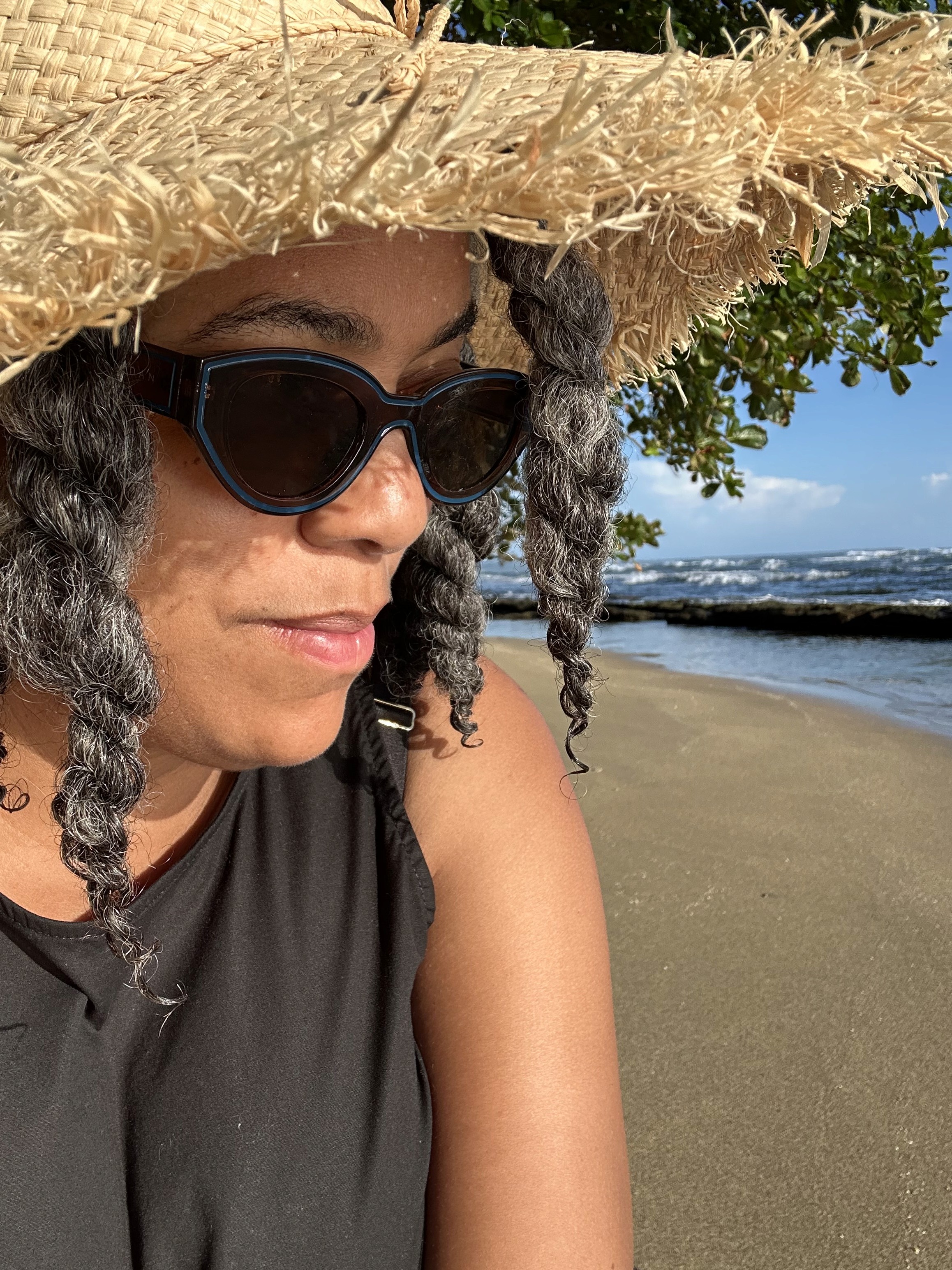
Marlee
Hey there! I’m Marlee, a dedicated traveler and adventurer, embarks on life's great journey with a spirit of exploration and wonder, always seeking new experiences and perspectives along the way.
Say Thanks
Some of the pages on my travel blog contain affiliate links. Whenever you buy something through one of these links, I get a small commission at no extra cost to you. As an affiliate, I only recommend products and services that I feel are high quality and helpful to my readers. Thanks for your support.